Private schools should be held to the same accountability standards as public schools
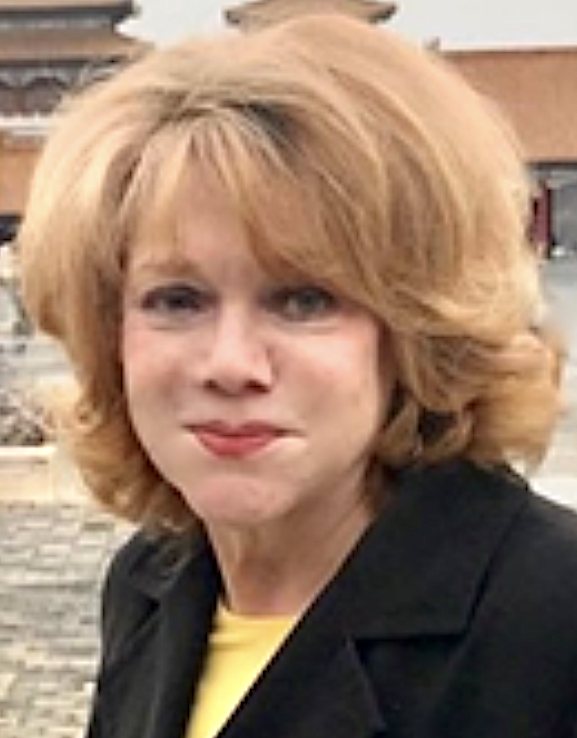
Pam Vogel.
Public education has stood as a foundational pillar in Iowa for almost 200 years. However, in recent years public schools have received meager increases in yearly state aid which fails to keep up with inflation. This, while the number of private schools in Iowa has grown due to the voucher program created by lawmakers in 2023. And almost half of Iowa’s 99 counties do not have any private schools, so the hundreds of millions of taxpayer dollars going to vouchers have no benefit to communities in these areas.
Iowa is currently home to 325 public school districts and 234 private schools accredited by the Iowa State Board of Education. Additionally, Iowa has 116 private schools not accredited by the State Board of Education.
All private schools in Iowa have the discretion to choose which students they admit and turn away those they choose not to admit. This admission process often means that students with disabilities or other special needs may be excluded, which may also unintentionally affect other groups of students, such as students of color. Our public education system takes all students, regardless of their background or educational needs.
For the 116 private schools not accredited by the state, there is no requirement to report student achievement results or hire certified teachers. These students may attend school for as few as 148 days a year, compared to 180 days for public school students. These private schools do not have school board elections and are not required to address concerns that arise from parents or community members around spending or what is being taught. And they may adopt their own curriculum — often based on religious beliefs.
Public and state accredited private schools must regularly report student achievement results, keeping parents informed and enabling the public to evaluate school performance. These reports include data such as state test scores, curriculum standards, graduation rates, and other critical information. This allows families and the community to understand how well schools are serving students and ensures that schools are held to a high standard of accountability.
Private schools not accredited by the state do not offer transparency or accountability. Without this, there is less certainty that students are being challenged academically or supported in their development, making it difficult for parents and the community to know whether students are advancing in their knowledge and skills each year.
Significant criticism has also emerged surrounding the voucher program’s limited financial oversight. Distributing voucher funds begins with the state issuing the money directly to the parents, who are then responsible to transfer these public dollars to the private school. This indirect method allows private schools to avoid showing the public how taxpayer dollars are being spent. This system has been uncovered in other states to reveal instances where public tax money was misused and diverted to personal or luxury purchases rather than educational expenses.
In the Iowa Senate, Senator McClintock (R, District 42) introduced Senate File 2008, a bill designed to prevent private schools from mishandling public funds and to establish safeguards to ensure students in private schools receive a quality education. All private schools would have been required to adhere to the same reporting and auditing requirements as public schools. The bill aimed to guarantee fiscal responsibility and safeguard against waste, fraud, and abuse.
A number of Iowa school boards, including the South Tama School District, are standing up for their public schools by passing a Public School Strong resolution with Iowa CCI. The resolution states that every child – no matter their zip code, background, race, gender, identity, or ability – has an equal right to a quality education, which means fully funding our public schools at a 5% increase in State Supplemental Aid and stopping the flow of public dollars to private schools.
Without transparency and accountability from all of our school systems, citizens cannot know if expectations for educational quality and responsible stewardship of resources are being met. Iowans deserve to know if every school, regardless of its public or private status, operates with integrity and in the best interests of students and the broader society. These high standards are essential if our state is to demonstrate our schools remain a foundational pillar in Iowa. How else will we know if every child receives the high quality education they deserve?
Dr. Pam Vogel is a former special education teacher and school superintendent in Iowa and Connecticut. She was an instructor in the superintendent licensure program at Iowa State University. She is a member of Iowa CCI and Public School Strong.
Editorials

District 53 Newsletter: March 26, 2026
Private schools should be held to the same accountability standards as public schools
Public notices must remain in newspapers
District 53 Newsletter: March 19, 2026
Celebrating Ag Week: Agriculture has always been rooted in community